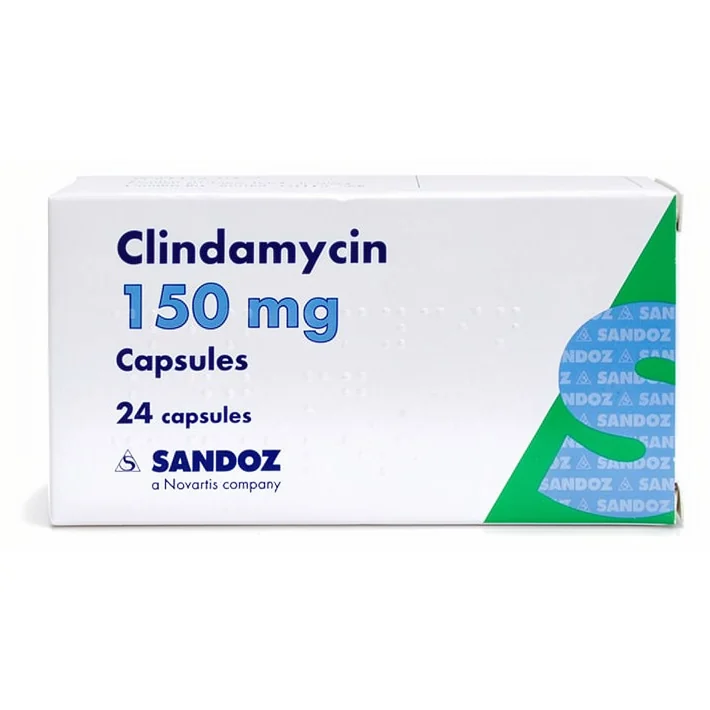
Before you give it: is clindamycin the right fit?
Clindamycin suits a specific set of infections. A quick check first:
- Get a diagnosis first. Dental, bone, and deep skin infections are where clindamycin fits; a vet should confirm what’s going on and whether it’s the right drug.
- Deep and dental infections are its wheelhouse. Clindamycin reaches bone and dental infections well, but it is not a broad “any infection” antibiotic.
- Weigh your pet. The dose is set by body weight, so your vet needs an accurate weight to prescribe correctly.
- Plan to finish the course. Completing the full course matters, especially for deep infections like bone or dental disease.
What clindamycin for dogs and cats is
Clindamycin is a lincosamide antibiotic1 prescribed for dogs and cats, often for dental, bone, and deep skin infections where its coverage is a good fit.2 Whether it is the right choice, and at what dose, is a decision for the prescribing veterinarian — based on the specific infection, your pet’s weight and history, and what the vet finds appropriate.
We are a licensed veterinary pharmacy. We dispense what the vet prescribes3 — we do not diagnose or set doses — and we will tell you plainly when clindamycin is not the right fit for your pet.
| Active ingredient | Clindamycin |
|---|---|
| Strength | 150 mg or 300 mg per capsule |
| Also sold as | Antirobe, Dalacin C |
| Drug class | Lincosamide |
| Form | Capsules in blister packs |
| Intended use | Dogs and cats only |
| Availability | Prescription, not for human use |
| Delivery to | All 50 US states, contact us for other countries |
Clindamycin dosing for dogs and cats: your vet sets it
Clindamycin for dogs and cats is dosed by body weight and set by your prescribing veterinarian, who chooses the dose based on the infection (dental, skin, and bone infections are dosed differently), your pet’s weight, and their history. We do not set doses, and this page does not list one. The label on your order reflects your prescribing vet’s instructions — follow it exactly and never adjust the dose yourself. Clindamycin comes in 150 mg and 300 mg capsules; which strength fits your pet is part of what the vet decides.
Side effects to watch for
The most common effects are digestive — vomiting, diarrhea, or loss of appetite — and giving it with food or water can help. Call your vet for severe or bloody diarrhea, or signs of an allergic reaction. Finishing the full course matters, especially for deep infections like bone or dental disease.
⚠ Important safety notes
- Prescription medication. A veterinarian decides whether it’s appropriate and sets the dose — we never set one.
- Give it with food or water. This can ease the common digestive effects (vomiting, diarrhea, appetite loss).
- Watch for serious signs. Severe or bloody diarrhea, or signs of an allergic reaction — stop and call your vet.
- Finish the course. For dogs and cats only; complete the full course for deep infections, and never dose a pet from a human or another species’ prescription.
Cost & how to get it
There is no public cart or online payment step. You place a reservation, a veterinarian reviews it and writes the prescription if it’s appropriate, then our pharmacy sends a secure payment link before anything ships — so the veterinary review costs you nothing separate, and you pay only for the medication. If clindamycin isn’t right for your dog or cat, the order isn’t filled and you aren’t charged.
| Pack size | 150 mg | 300 mg |
|---|---|---|
| 30 capsules | $49.99 · $1.67/capsule | $56.99 · $1.90/capsule |
| 90 capsules MOST POPULAR | $119.99 · $1.33/capsule | $137.99 · $1.53/capsule |
| 200 capsules | $179.99 · $0.90/capsule | $206.99 · $1.03/capsule |
| 500 capsules BEST VALUE | $289.99 · $0.58/capsule | $332.99 · $0.67/capsule |
The 300 mg capsule costs a little more than the 150 mg at each pack size — your vet sets the strength your pet needs.
Related guides
Frequently asked questions
Do I need a prescription?
Yes — but you don’t have to arrange it yourself. A veterinarian reviews your order and prescribes it, then we dispense it legally. If it’s not right for your dog or cat, the order isn’t filled and you aren’t charged.
What is clindamycin used for in dogs and cats?
It is a lincosamide antibiotic often prescribed for dental, bone, and deep skin infections where its coverage is a good fit. Whether it fits your pet is the prescribing vet’s decision.
What dose should I give?
We don’t provide dosing. The correct dose depends on your pet’s weight and condition and is set by the prescribing veterinarian. Follow the prescription exactly.
What’s the difference between the 150 mg and 300 mg capsules?
Only the amount of clindamycin per capsule. Which strength suits your pet is part of what the prescribing vet decides from their weight and what’s being treated.
Do I get exactly what I see on this site?
We can’t guarantee a specific manufacturer. What you receive may look different, but the drug, strength, and ingredients are the same.
Medical disclaimer
This site is for informational purposes only and is not veterinary advice, diagnosis, or a treatment recommendation. A licensed veterinarian should determine medication selection, prescribing, dosing, and treatment for the individual animal. Never give a dog or cat antibiotics intended for another species; the wrong drug or dose can seriously harm your pet. All medications sold on this site are for animal use only and are not intended for human use or consumption.
Sources & References
- Merck Veterinary Manual, “Lincosamides Use in Animals.” merckvetmanual.com (accessed 2026) Supports: clindamycin is a lincosamide approved for dogs and cats for infected wounds, abscesses, and dental infections, and used for orthopedic infections.
- Hillier A, Lloyd DH, Weese JS, et al. “Guidelines for the diagnosis and antimicrobial therapy of canine superficial bacterial folliculitis (ISCAID).” Vet Dermatol 2014;25(3):163–175. doi:10.1111/vde.12118. doi.org (2014) Supports: clindamycin is a first-line systemic option for canine superficial bacterial folliculitis (pyoderma).
- FDA Center for Veterinary Medicine. Animal & Veterinary. fda.gov (accessed 2026) Supports: the prescription status of veterinary antibiotics.