Before you give it: is doxycycline the right fit?
Doxycycline suits a specific set of infections. A quick check first:
- Get a diagnosis first. Tick-borne and respiratory infections can look like other problems; a vet should confirm what’s going on and whether doxycycline fits.
- Tick-borne and respiratory infections are its wheelhouse. Doxycycline is a common tetracycline choice for tick-borne diseases and some respiratory infections — not a broad “any infection” drug.
- Weigh your pet. The dose is set by body weight, so your vet needs an accurate weight to prescribe correctly.
- Give it with food and water. Follow each capsule with water or a small treat so it doesn’t sit in the esophagus; it is generally avoided in pregnant dogs and young puppies.
What doxycycline for dogs and cats is
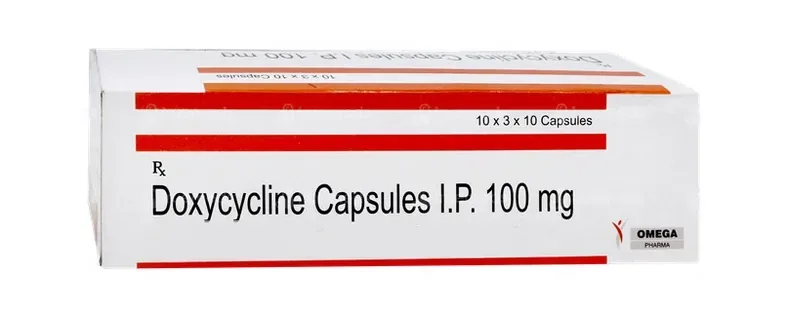
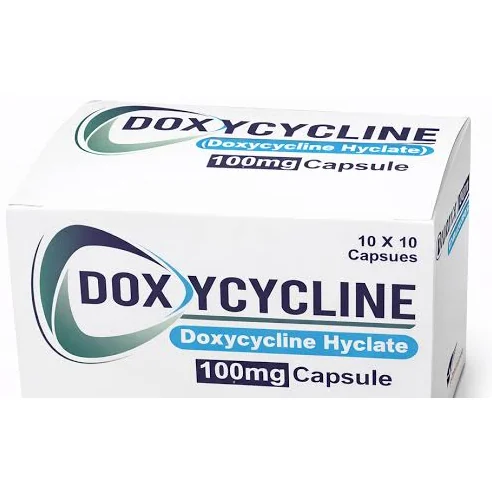
Doxycycline is a broad tetracycline antibiotic1 prescribed for dogs and cats for tick-borne diseases, respiratory infections, and certain other infections a vet identifies.2 Whether it is the right choice, and at what dose, is a decision for the prescribing veterinarian — based on the specific infection, your pet’s weight and history, and what the vet finds appropriate.
We are a licensed veterinary pharmacy. We dispense what the vet prescribes3 — we do not diagnose or set doses — and we will tell you plainly when doxycycline is not the right fit for your pet.
| Active ingredient | Doxycycline (hyclate) |
|---|---|
| Strength | 100 mg per capsule |
| Also sold as | Vibramycin |
| Drug class | Tetracycline |
| Form | Capsules in blister packs |
| Intended use | Dogs and cats only |
| Availability | Prescription, not for human use |
| Delivery to | All 50 US states, contact us for other countries |
Doxycycline dosing for dogs and cats: your vet sets it
Doxycycline for dogs and cats is dosed by body weight and set by your prescribing veterinarian, based on the infection, your pet’s weight, and their health history. We do not set doses, and this page does not list one. The label on your order reflects your prescribing vet’s instructions — follow it exactly and never adjust the dose yourself. Doxycycline comes in 100 mg capsules.
Side effects to watch for
The most common effects are digestive — vomiting or loss of appetite. To lower the risk of throat irritation, give doxycycline with food and follow it with water or a small treat so the capsule doesn’t sit in the esophagus. It can make some dogs more sensitive to the sun. Call your vet for persistent vomiting or signs of an allergic reaction. It is generally avoided in pregnant dogs and young puppies, which is one reason a vet reviews each case.
⚠ Important safety notes
- Prescription medication. A veterinarian decides whether it’s appropriate and sets the dose — we never set one.
- Give with food, then water. Follow each capsule with water or a treat so it doesn’t sit in the esophagus and cause irritation.
- Watch for sun sensitivity and vomiting. Some dogs become more sun-sensitive; call your vet for persistent vomiting or signs of an allergic reaction.
- Not for pregnancy or young puppies. Generally avoided in pregnant dogs and young puppies. For dogs and cats only; never dose a pet from a human or another species’ prescription.
Cost & how to get it
There is no public cart or online payment step. You place a reservation, a veterinarian reviews it and writes the prescription if it’s appropriate, then our pharmacy sends a secure payment link before anything ships — so the veterinary review costs you nothing separate, and you pay only for the medication. If doxycycline isn’t right for your dog or cat, the order isn’t filled and you aren’t charged.
| Pack size | Price | Per capsule |
|---|---|---|
| 30 capsules | $44.99 | $1.50 |
| 90 capsules MOST POPULAR | $99.99 | $1.11 |
| 200 capsules | $149.99 | $0.75 |
| 500 capsules BEST VALUE | $239.99 | $0.48 |
The per-capsule cost drops at the larger pack sizes — your vet sets the course length your pet needs.
Related guides
Frequently asked questions
Do I need a prescription?
Yes — but you don’t have to arrange it yourself. A veterinarian reviews your order and prescribes it, then we dispense it legally. If it’s not right for your dog or cat, the order isn’t filled and you aren’t charged.
What is doxycycline used for in dogs and cats?
It is a broad tetracycline antibiotic used for tick-borne diseases, respiratory infections, and certain other infections a vet identifies. Whether it fits your pet is the prescribing vet’s decision.
What dose should I give?
We don’t provide dosing. The correct dose depends on your pet’s weight and condition and is set by the prescribing veterinarian. Follow the prescription exactly.
Why give it with water or a treat?
Doxycycline can irritate the esophagus if a capsule sits there, so following it with water or a small treat helps it go down. Give it with food to reduce stomach upset.
Do I get exactly what I see on this site?
We can’t guarantee a specific manufacturer. What you receive may look different, but the drug, strength, and ingredients are the same.
Medical disclaimer
This site is for informational purposes only and is not veterinary advice, diagnosis, or a treatment recommendation. A licensed veterinarian should determine medication selection, prescribing, dosing, and treatment for the individual animal. Never give a dog or cat antibiotics intended for another species; the wrong drug or dose can seriously harm your pet. All medications sold on this site are for animal use only and are not intended for human use or consumption.
Sources & References
- Merck Veterinary Manual, “Tetracyclines Use in Animals.” merckvetmanual.com (accessed 2026) Supports: doxycycline is a broad-spectrum, long-acting tetracycline.
- Sainz A, Roura X, Miro G, et al. “Guideline for veterinary practitioners on canine ehrlichiosis and anaplasmosis in Europe.” Parasites & Vectors 2015;8:75. doi:10.1186/s13071-015-0649-0. doi.org (2015) Supports: doxycycline is the treatment of choice for canine ehrlichiosis and anaplasmosis (tick-borne diseases).
- FDA Center for Veterinary Medicine. Animal & Veterinary. fda.gov (accessed 2026) Supports: the prescription status of veterinary antibiotics.